
EMSO EVOLVE

EMSO EVOLVE is a strategic transformation programme that aims to turn EMSO from a network of deep-ocean observatories into a sustainable, integrated European research infrastructure delivering regional-scale observations, interoperable data services, Digital Twin support, and scientific knowledge for tackling climate change, marine hazards, biodiversity loss and the ocean carbon cycle.
EMSO EVOLVE positions EMSO ERIC to become Europe’s leading long-term ocean-observing body by 2035, moving from single-site observation to basin-scale observation and towards service-oriented operations.
Its mission is the sustained observation and analysis of Essential Ocean Variables from the seabed and along the water column, building on EMSO’s network of deep-ocean and water-column observatories across European seas.
The strategy rests on five structuring goals: stronger sustainability and governance efficiency; scientific excellence and observation centrality; upgraded upstream data services; better downstream, user-oriented services; and capacity building through the EMSO Academy.
The project at a glance
Governance & sustainability
Revise membership, governance and national commitments — harmonising nodes, enlarging the consortium and introducing a diversified business and funding plan with Blue-Economy indicators, strengthening EMSO’s position in national roadmaps and the European RI landscape.
Observing design
Update the observing design to address basin-scale variability and four scientific challenges, while deepening cooperation with sister research infrastructures and the modelling and satellite communities.
E-infrastructure & services
Upgrade the e-infrastructure and services: implement the Observatories of Seas Ontology, strengthen quality control and metadata, deploy a modern data portal and virtual access, and enable FAIR, AI/HPC-ready workflows interoperable with EMODnet, Copernicus and Digital Twin initiatives (EDITO, DestinE).
Capacity building
Institutionalise the EMSO Academy to map skills and deliver courses, webinars, summer schools and staff mobility — professionalising teams and expanding uptake.
Four scientific challenges
EMSO’s scientific strategy focuses on four driving topics that shape the observing-system redesign:

Climate & ocean variability
Open-ocean temporal variability across spatial scales.
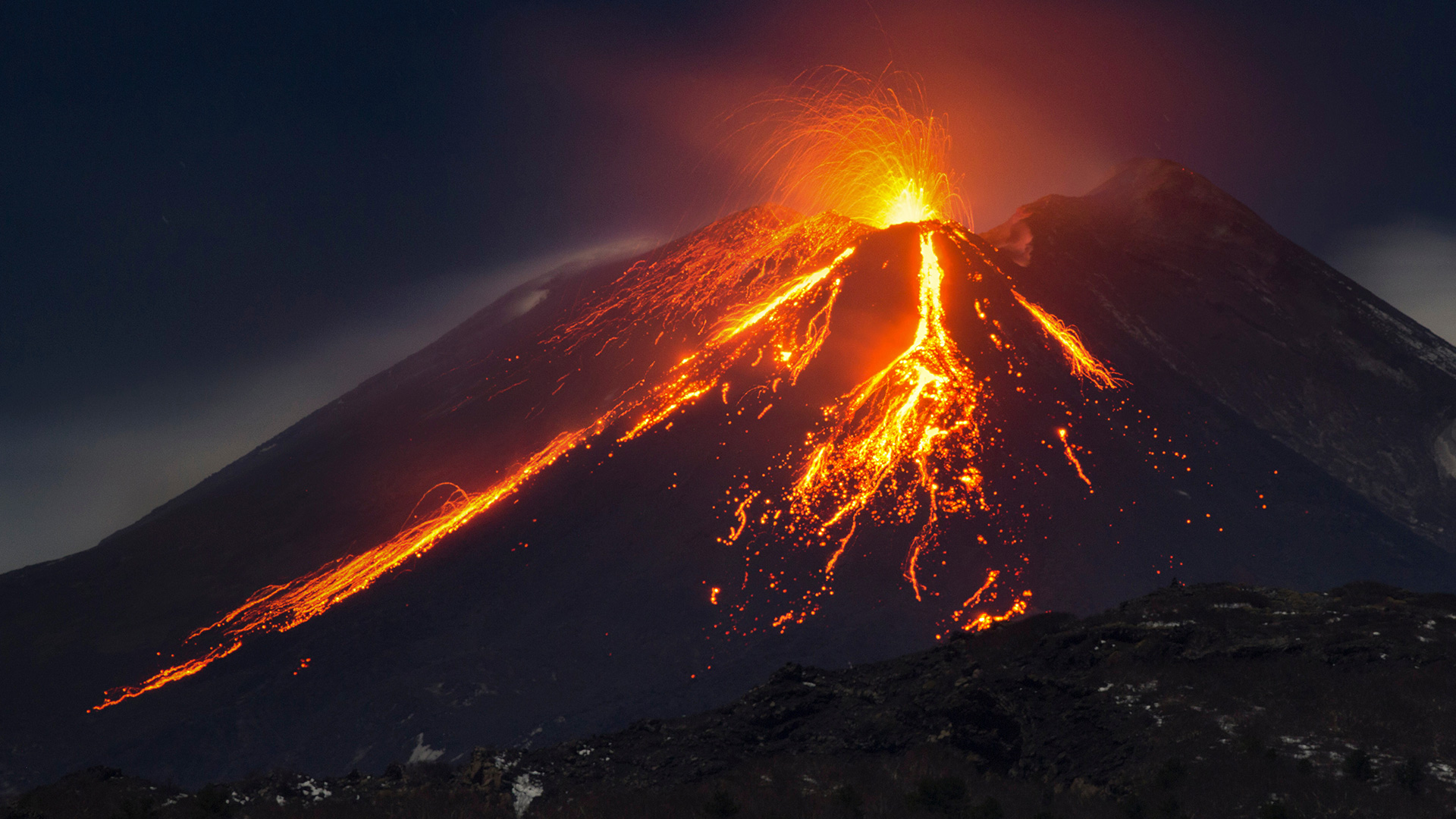
Geohazards
Variability of spatiotemporal processes and natural hazards.
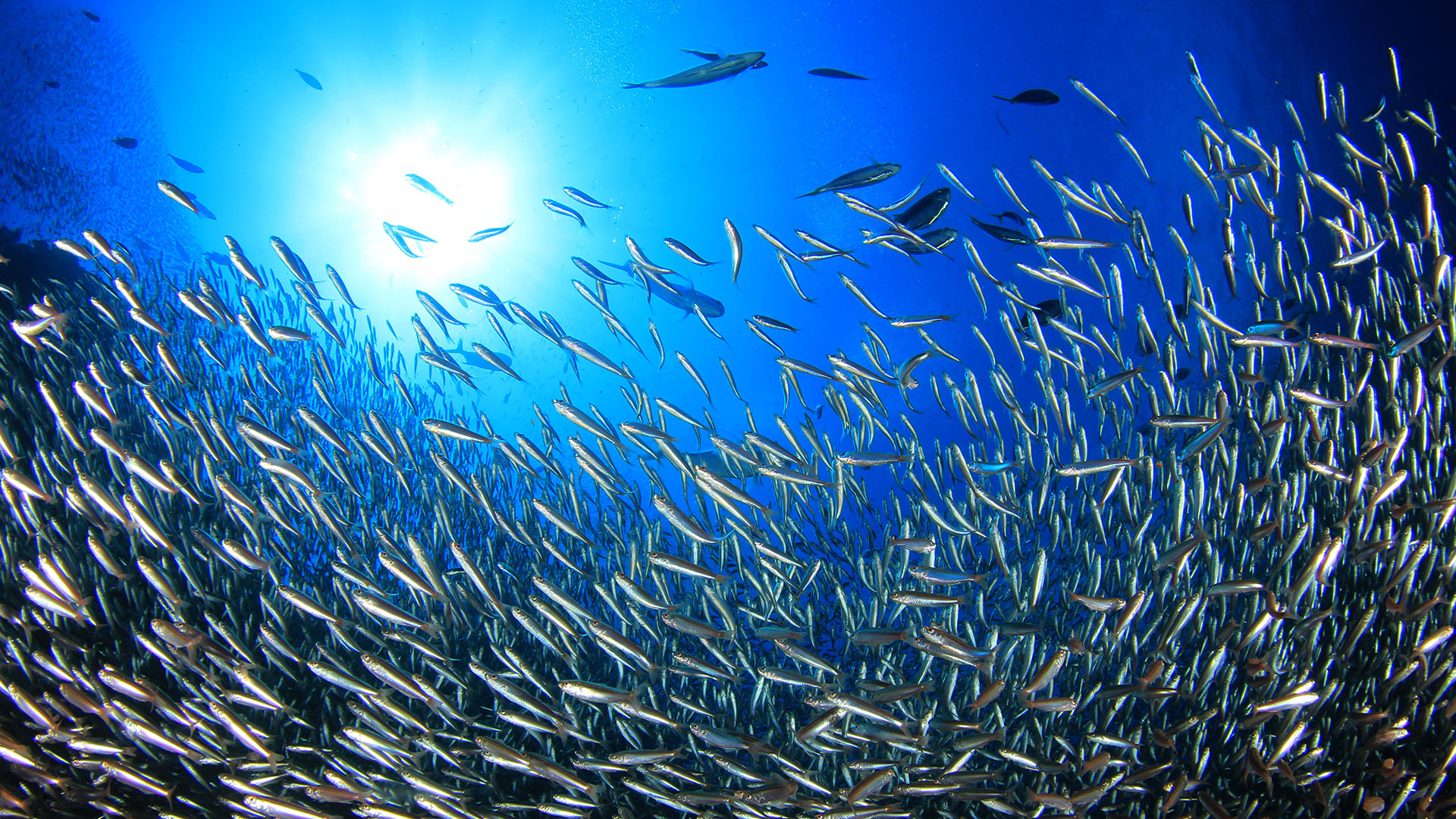
Biodiversity
Baseline and potential changes of open-ocean benthic and pelagic ecosystems.

Deep-ocean carbon
Geophysical events, climatic and anthropogenic changes, and deep carbon storage.
Work packages
The project is delivered through seven work packages spanning coordination, multi-level governance, financial sustainability, basin-scale observing design, e-infrastructure and services, capacity building, and communication and advocacy. Explore each below.