
Low-cost HydroMoth recorders tested at OBSEA to expand underwater sound monitoring
19 October 2026
As part of the EMSO ERIC Physical Access Programme, the HYDROCHECK project successfully deployed low-cost HydroMoth acoustic recorders alongside the permanent hydrophone at the OBSEA Regional Facility during two field campaigns in spring 2026. The recovered datasets are now being analysed to evaluate the performance of these open-source devices for passive acoustic monitoring and their potential to complement established ocean observing infrastructures.
As part of the EMSO ERIC Physical Access Programme, researchers from the University of Valencia, together with collaborators from Université du Québec à Rimouski (Canada), ETT (Italy), and the OBSEA team (UPC-SARTI), completed the HYDROCHECK experiment at the OBSEA EMSO Regional Facility. The project aims to evaluate whether a new generation of open-source, low-cost acoustic recorders (HydroMoth) can complement existing ocean observing infrastructures for passive acoustic monitoring.
The HYDROCHECK project seeks to validate HydroMoth recorders against the underwater hydrophone permanently installed at the cabled observatory. By comparing simultaneous recordings from both systems, the team will assess the accuracy, limitations, and potential applications of these affordable devices for monitoring underwater soundscapes, anthropogenic noise, and marine fauna. The project also contributes to the development of FAIR workflows for acoustic data management and to their future integration into European marine data infrastructures.
Two field campaigns were carried out at the OBSEA observatory:
- First deployment: 9–21 April 2026
- Second deployment: 20 May–11 June 2026
During both deployments, several HydroMoth units were installed by scientific divers close to the OBSEA hydrophone, allowing simultaneous long-term recordings under identical environmental conditions. Some recorders were fixed directly to the observatory structure, while others were mounted on independent supports to evaluate different deployment configurations.
After recovery, the instruments showed excellent operational performance despite weeks of continuous exposure in the marine environment. Natural biofouling developed on some deployment supports, demonstrating the robustness of the devices during extended deployments and providing valuable information for future long-term monitoring strategies.
The acoustic datasets collected during the experiment are currently being analysed. The research team is comparing the HydroMoth recordings with the calibrated OBSEA hydrophone data to quantify recorder performance across different frequency bands and acoustic conditions, including vessel traffic and ambient sound. The results will help determine how these low-cost instruments can support larger-scale passive acoustic monitoring networks and complement established ocean observing infrastructures.
If successful, the HYDROCHECK approach could significantly reduce the cost of underwater acoustic monitoring, enabling researchers, marine protected areas, citizen science initiatives, and environmental agencies to deploy larger spatial networks of acoustic sensors while maintaining compatibility with reference observatories.
Photo 1: HydroMoth deployed at OBSEA
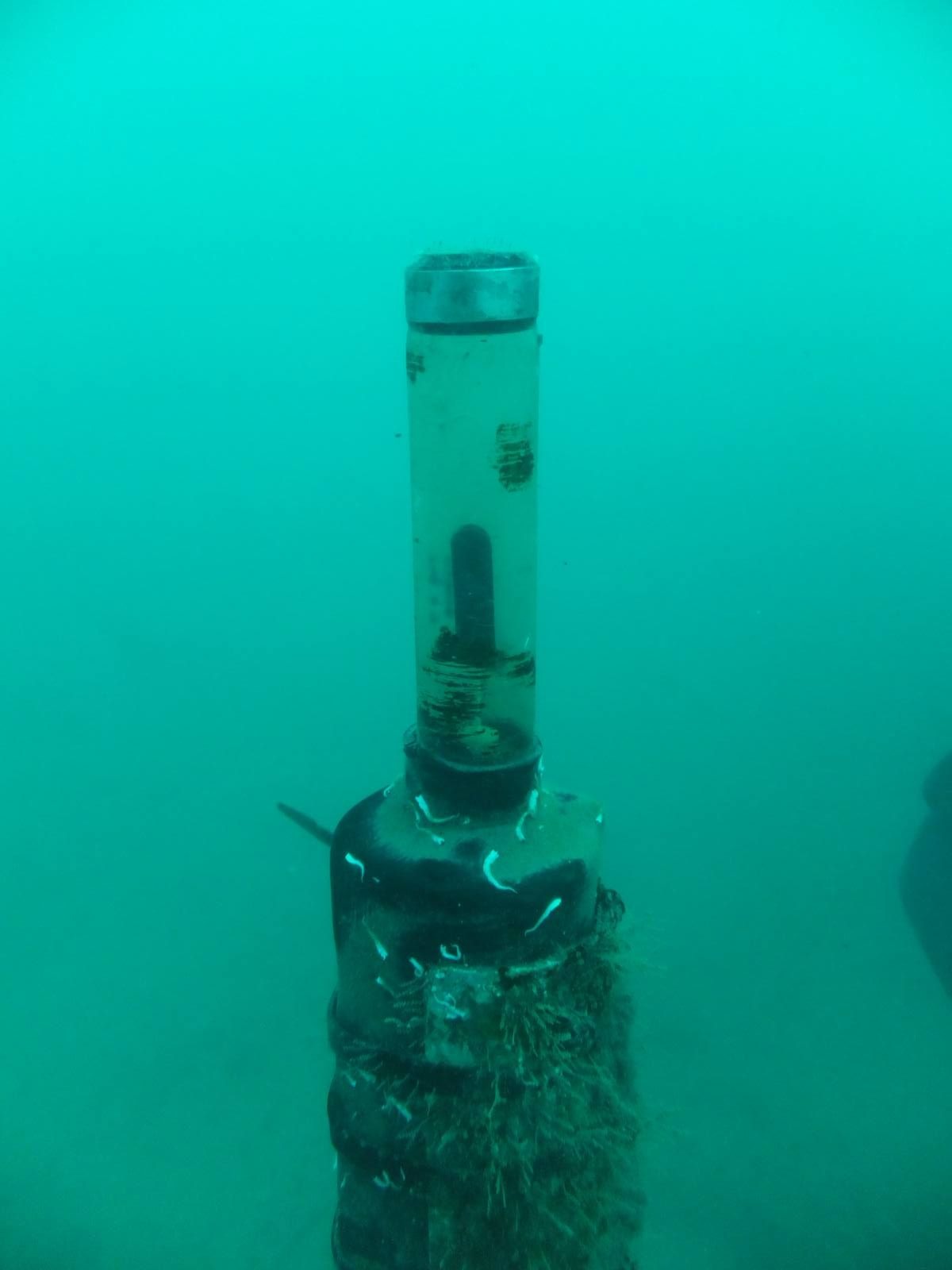
Photo 2: OBSEA’s hydrophone
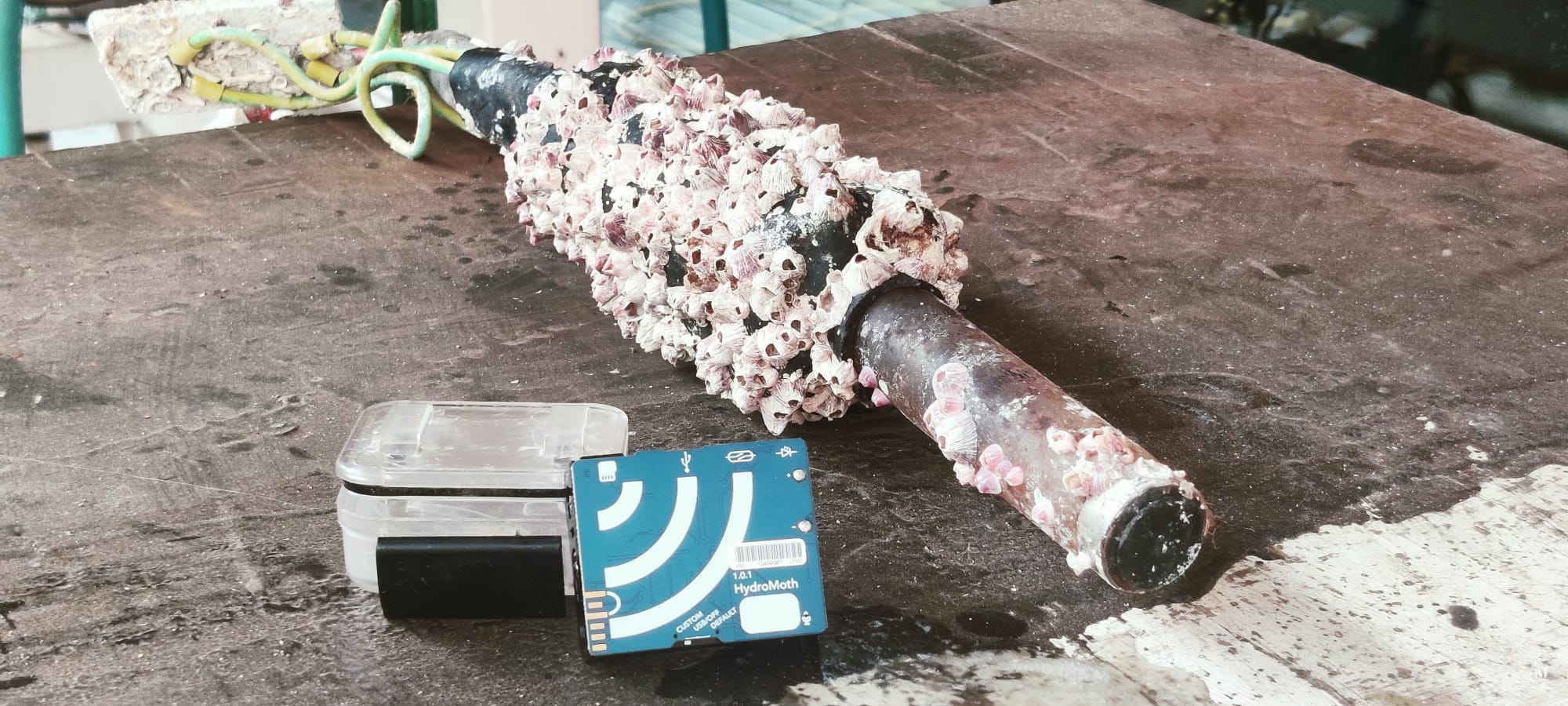
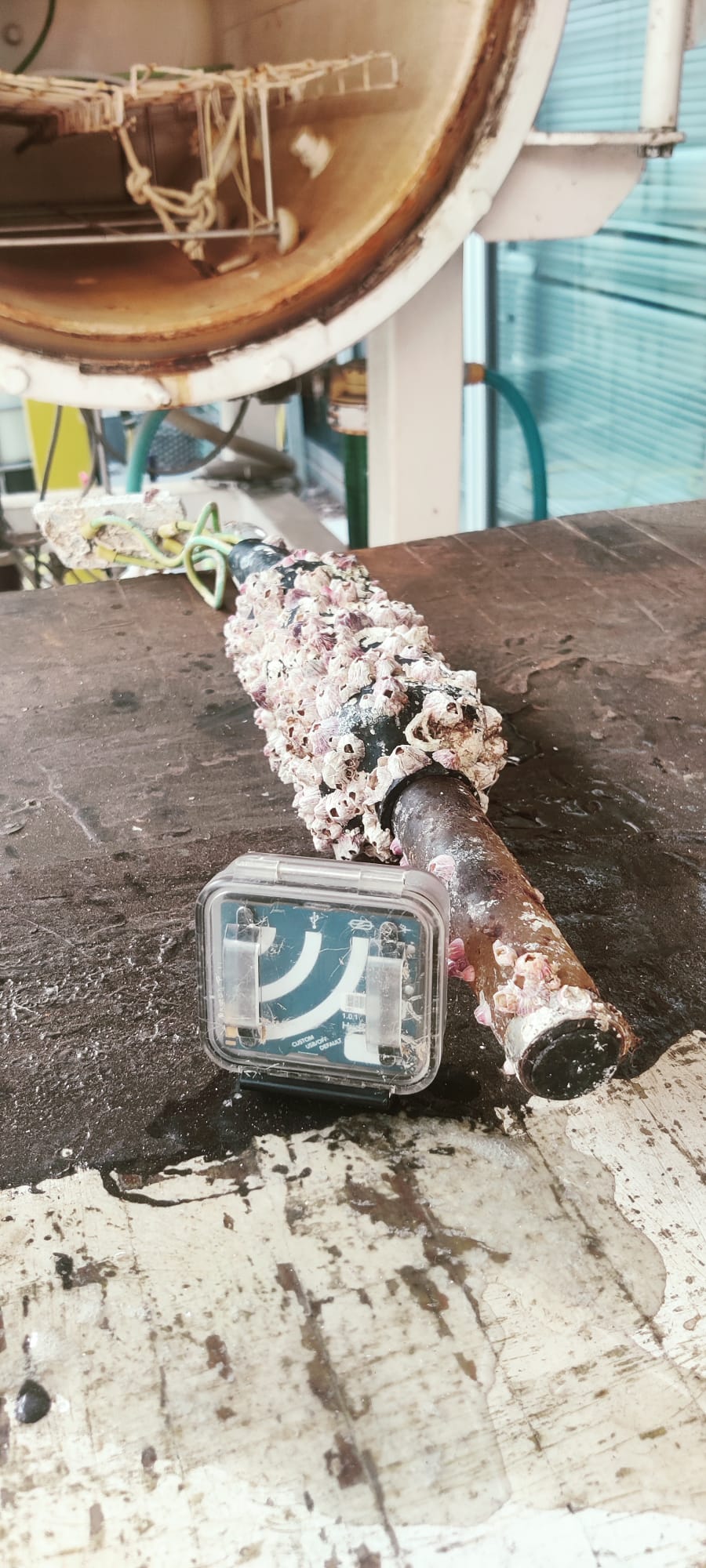
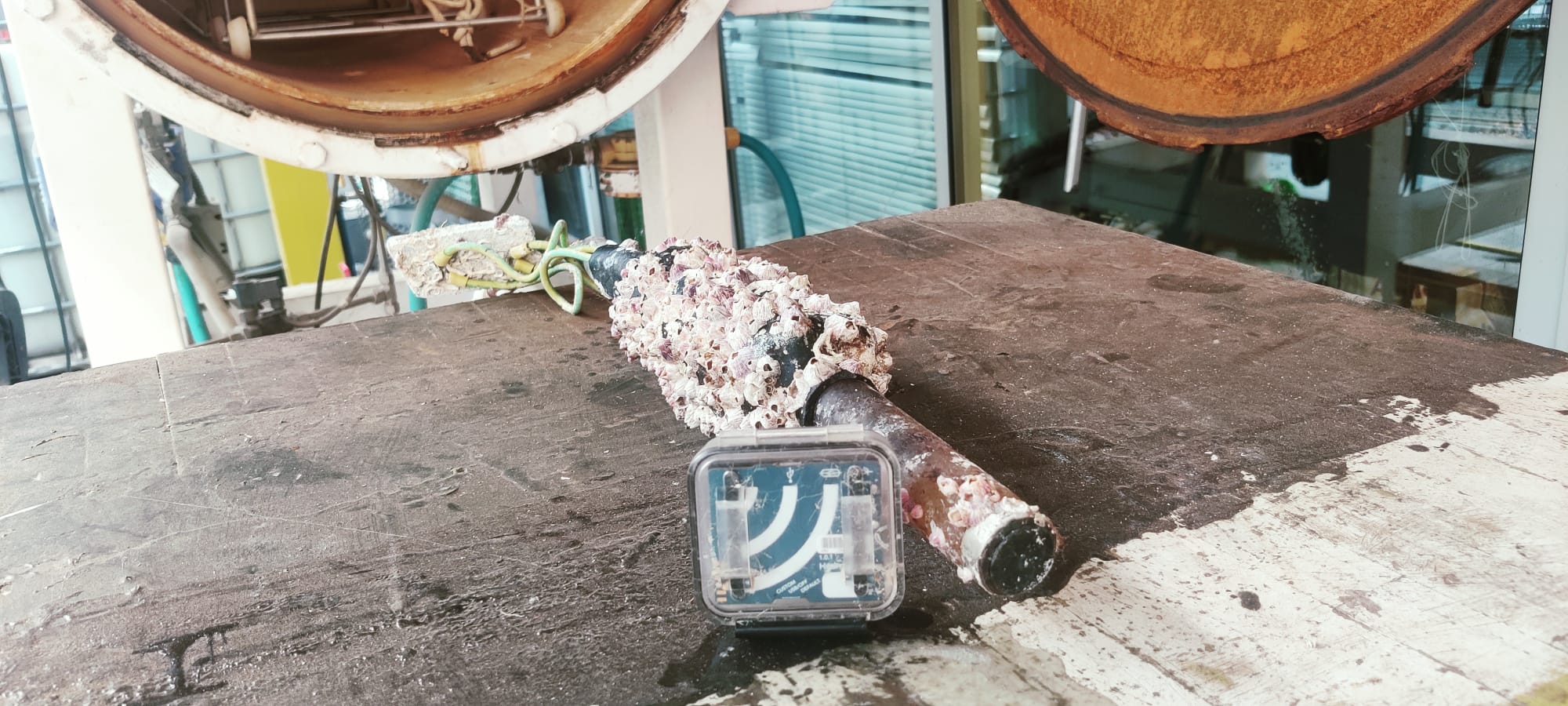
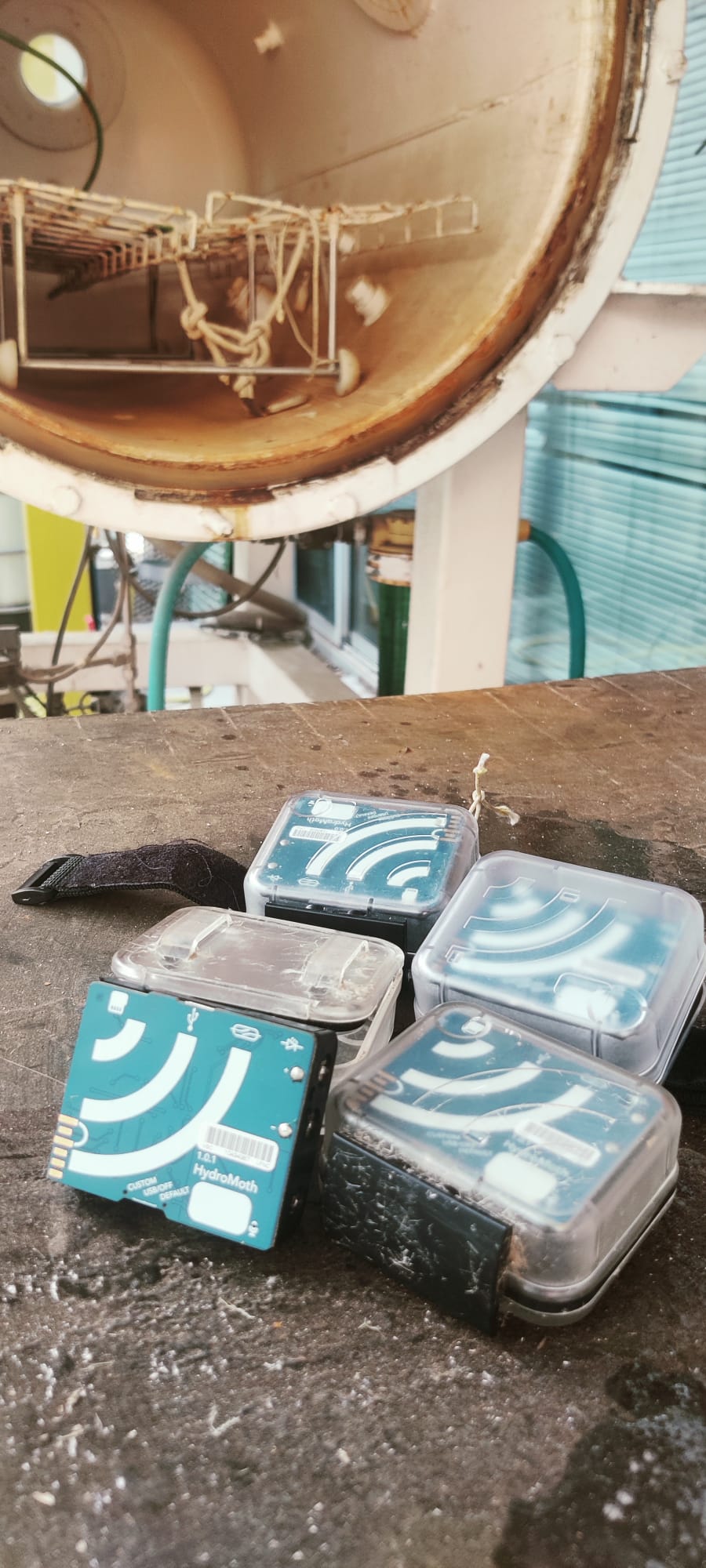
Photo 3: HydroMoth and hydrophone before deployment at OBSEA
Author: Ikram Bghiel, OBSEA -UPC