
Marine ecosystem
The oceans are home to half of the earth's living species.
An ecosystem under pressure
Ecosystems are characterised by a strong connection between plants and animals and this connection is fundamental to the overall health of marine and land environments. This connection is under threat because of climate change, industrial development, overfishing, and the introduction of invasive species.
These pressures affect the physical, chemical, and biological properties of the ocean water system. Changes in ocean water temperature, stratification, and acidity can have unexpected and unpredictable effects on biodiversity and ecosystem stability. Due to global warming, ocean stratification is increasing, with a warmer water layer forming on top of a cold one, and previously natural mixing being diminished. This phenomenon can lead to a decrease in oxygen levels in some areas of the ocean as warm water holds less oxygen. The marine ecosystem is additionally affected by the increase of carbon dioxide levels in the atmosphere. Balancing with the atmosphere, the ocean absorbs more carbon dioxide and becomes more acidic. The increase in ocean acidity impacts the ability of important organisms to calcify, such as shellfish and corals, organisms which are also directly affected adversely by increasing temperature.
Why understanding comes first
We know that human activities, such has global warming or overfishing, affect the ocean ecosystem. However, in order to be able to evaluate the sensitivity of marine species/ecosystems to anthropogenic change, and how we can best address this, it is crucial to understand how the ocean ecosystem functions. This is the main challenge in marine studies of the next decade.
What EMSO monitors
One of the priorities of EMSO is to monitor over time variables related to marine ecosystems to infer how the marine environment is changing in relation to human induced pressure. The ocean ecosystem can be safeguarded only if these changes are identified accurately.
Research themes
- Distribution and abundance of sea life
- Ocean productivity
- Biodiversity
- Ecosystem function
- Living resources
- Carbon cycling and climate feedbacks
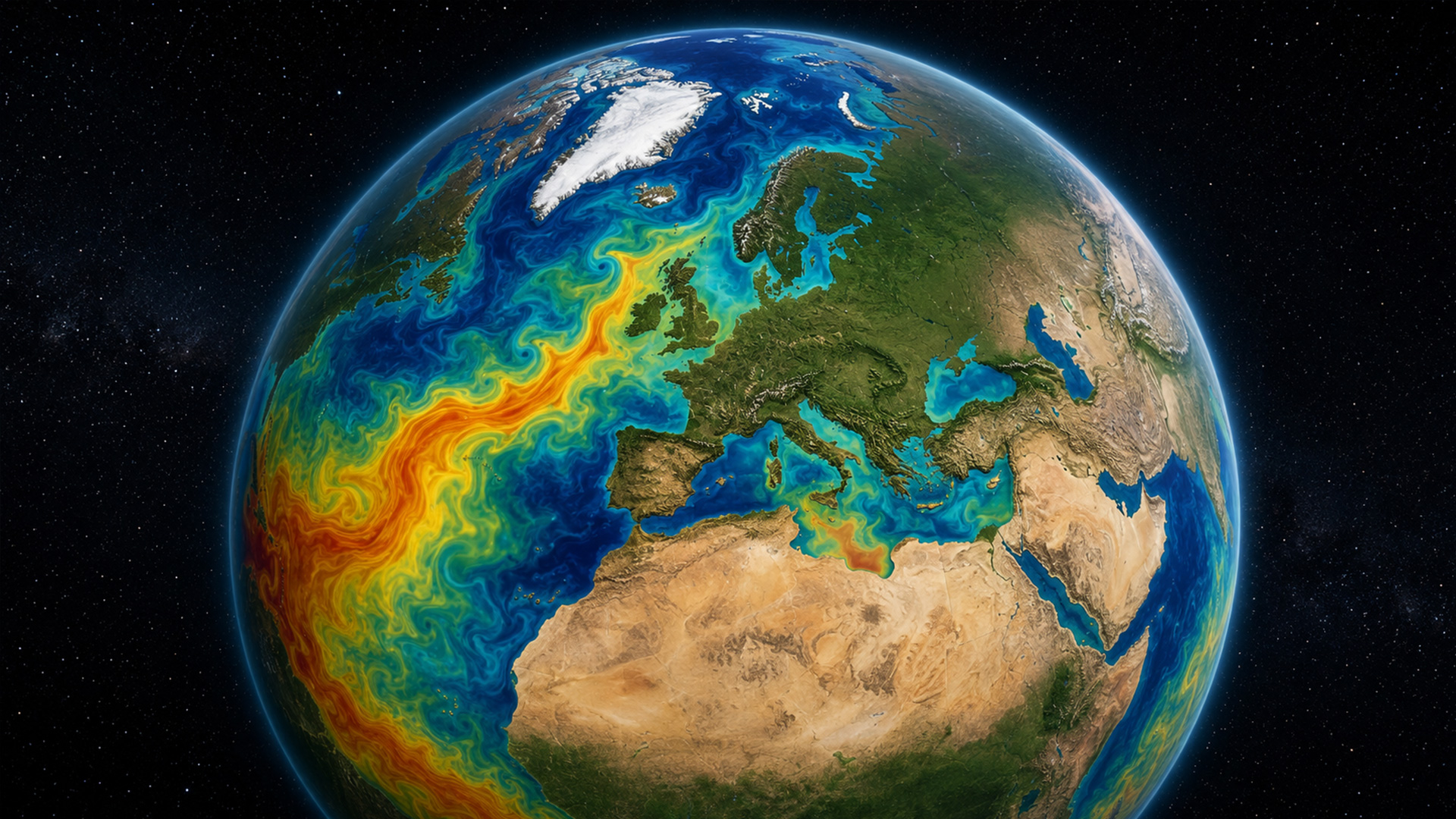

Climate Change
The Oceans are a massive solar panel that retains and distributes heat around the globe. A better understanding of its processes is important to mitigate the impacts of climate change.
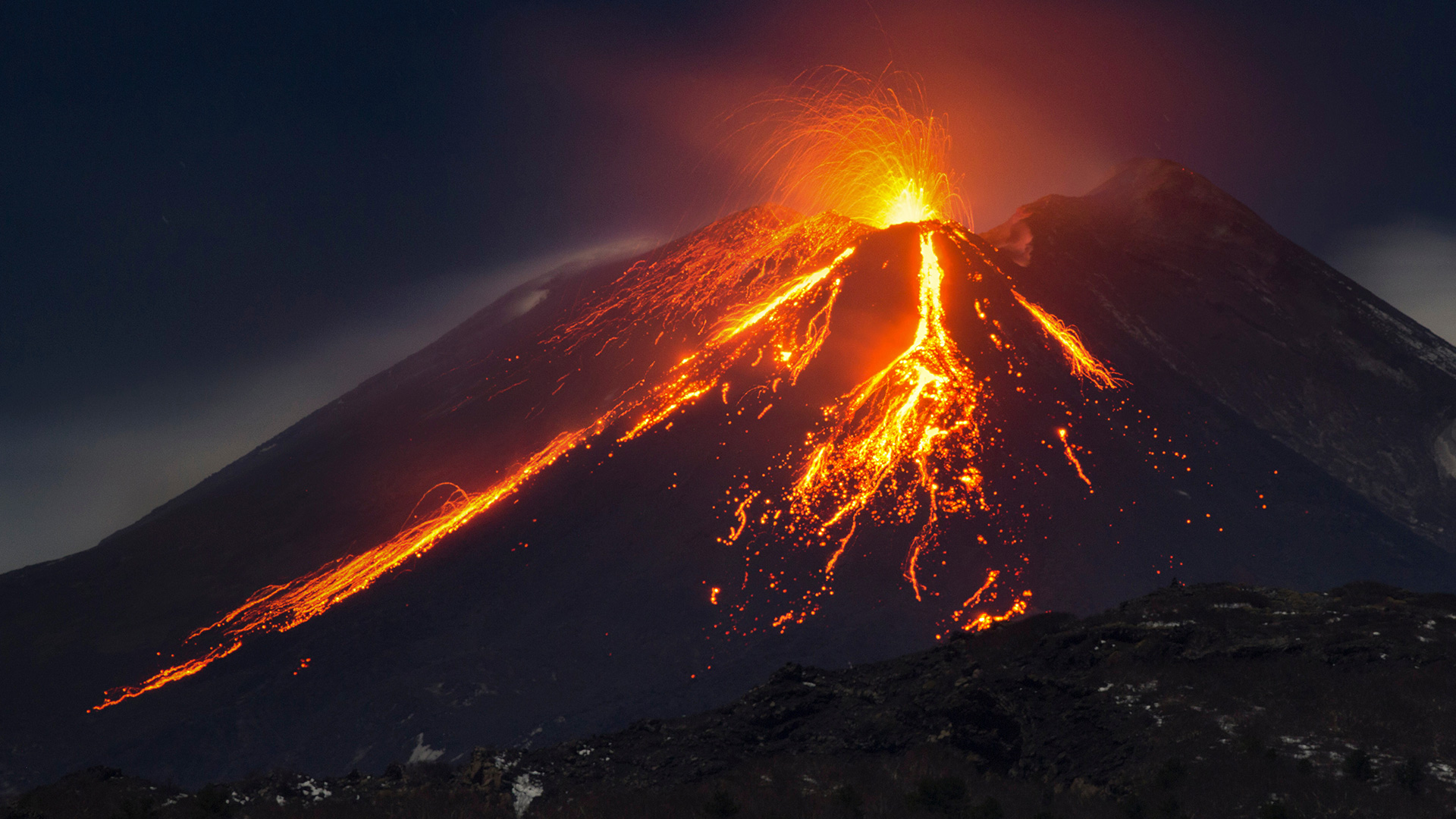

Geo Hazard
The monitoring of seismic, volcanic and tsunami activities in the Oceans will lead to a better recognition of geo-hazards, improving detection, early warning and risk management.
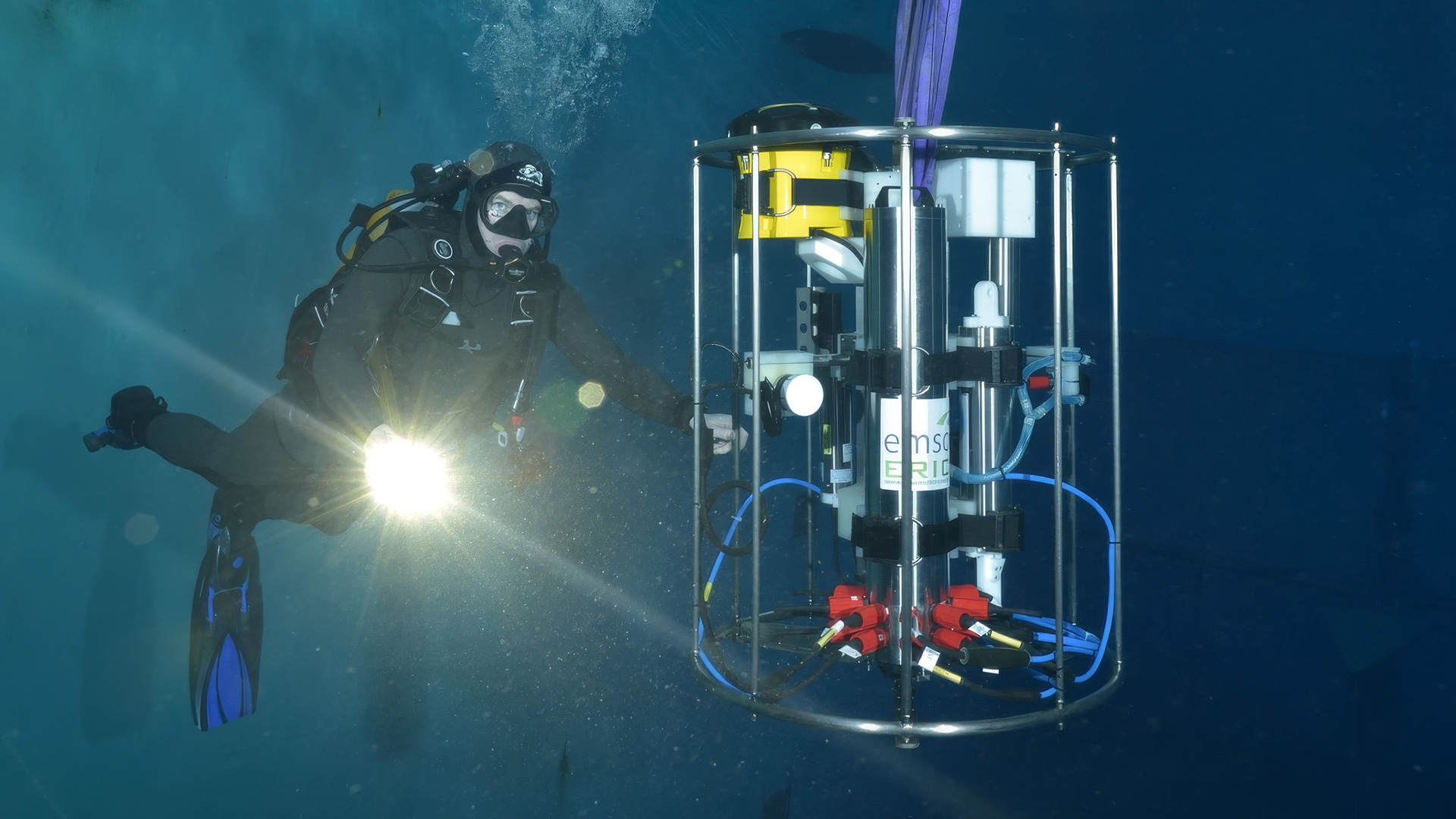

Technological Challenge
Technological improvement of sensors, electronic components control and acquisition systems are developed in EMSO to ensure the Regional Facilities being at the state-of-art.