

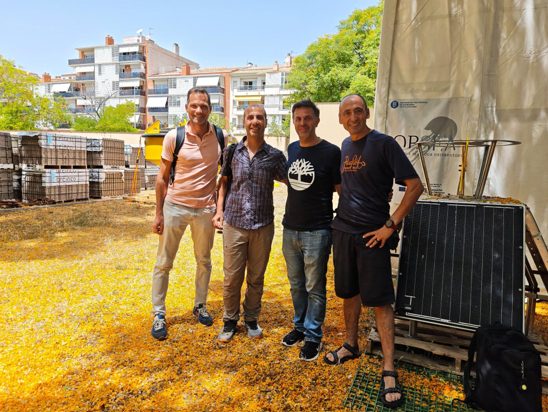
OBSEA hosts the LoRa project to validate innovative underwater radioactivity monitoring technology
23 October 2026
A new gamma-ray spectrometer was deployed at the OBSEA Underwater […]
The Ocean hosts life and plays a major role in the complex mechanism of climate regulation. Monitoring physical and chemical changes in seawater enables to predict and subsequently address environmental processes and natural hazards.
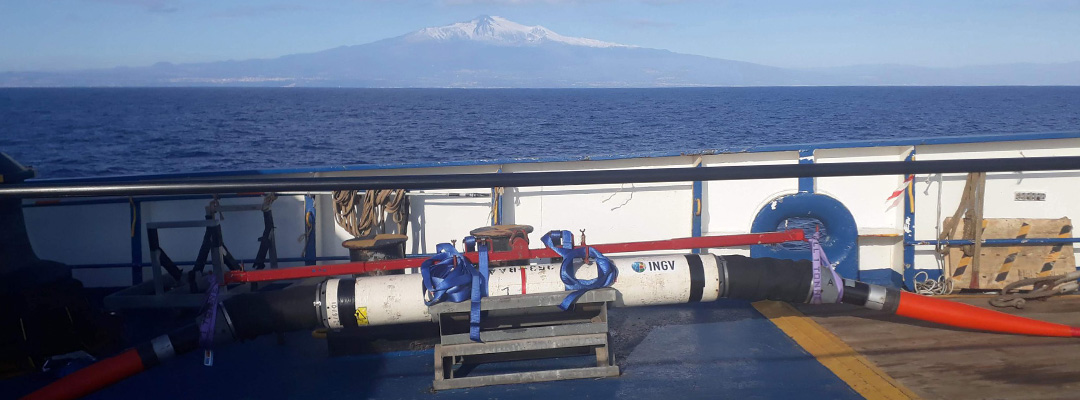
Deployed in the EMSO Regional Facility Western Ionian Sea as a landmark collaboration between INGV, GURALP and ELETTRA TLC, this SMART Cable prototype enables real-time data collection, significantly improving tsunami detection and earthquake monitoring accuracy
Read More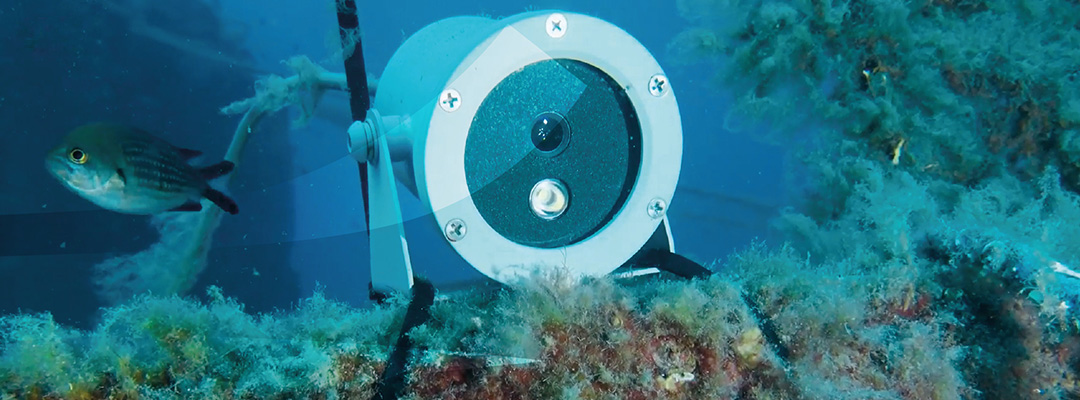
The physical access program aims to promote the access of external users with financial and logistical support to the regional facilities of EMSO ERIC along the European seas to carry out research projects and technological tests of equipment and sensors. Explore the possibility offered by each facility and check out how to apply!
Read MoreThe European Multidisciplinary Seafloor and water-column Observatory (EMSO ERIC) is a pan-European research infrastructure dedicated to observing, understanding and protecting the ocean. Established on the European Strategy Forum on Research Infrastructures (ESFRI) Roadmap in 2006 and becoming a European Research Infrastructure Consortium (ERIC) in 2016, EMSO brings together leading marine research organisations across eight member countries: Italy, Spain, Portugal, France, Ireland, Norway, Greece and Romania.
EMSO's scientific topics can be grouped into three macro-areas of multidisciplinary research, that address three major challenges: elucidate marine ecosystem functioning and interconnections, study and find mitigation strategy for climate change, understand and prevent geo hazards.

Marine Ecosystem
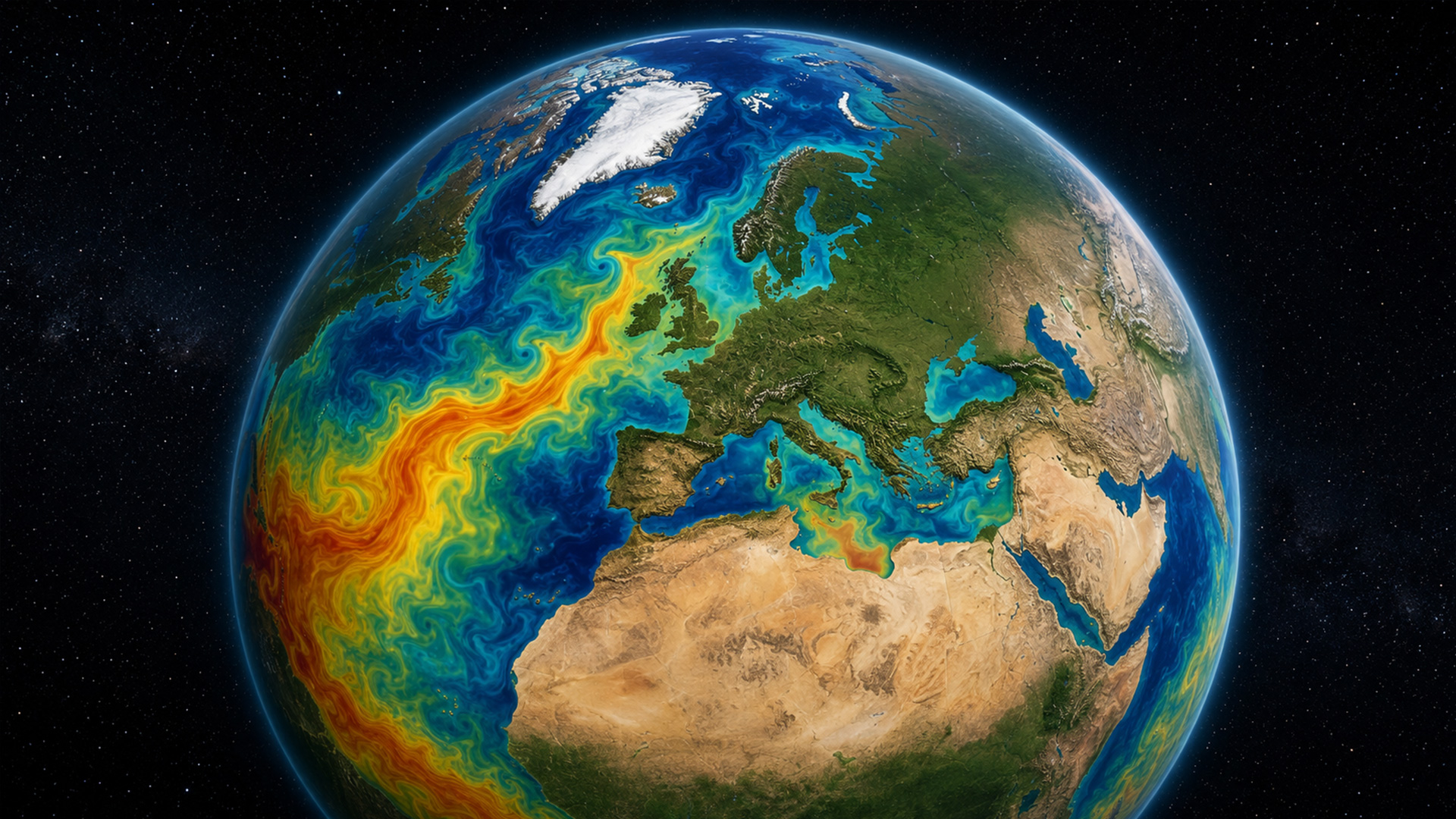
The Oceans host more than half of the Earth’s living species. Changing marine environment affects this huge biodiversity and impacts global environment and human wellbeing.
Climate Change
The Oceans are a massive solar panel that retains and distributes heat around the globe. A better understanding of its processes is important to mitigate the impacts of climate change.

Geo Hazard
The monitoring of seismic, volcanic and tsunami activities in the Oceans will lead to a better recognition of geo-hazards, improving detection, early warning and risk management.
Technological Challenge
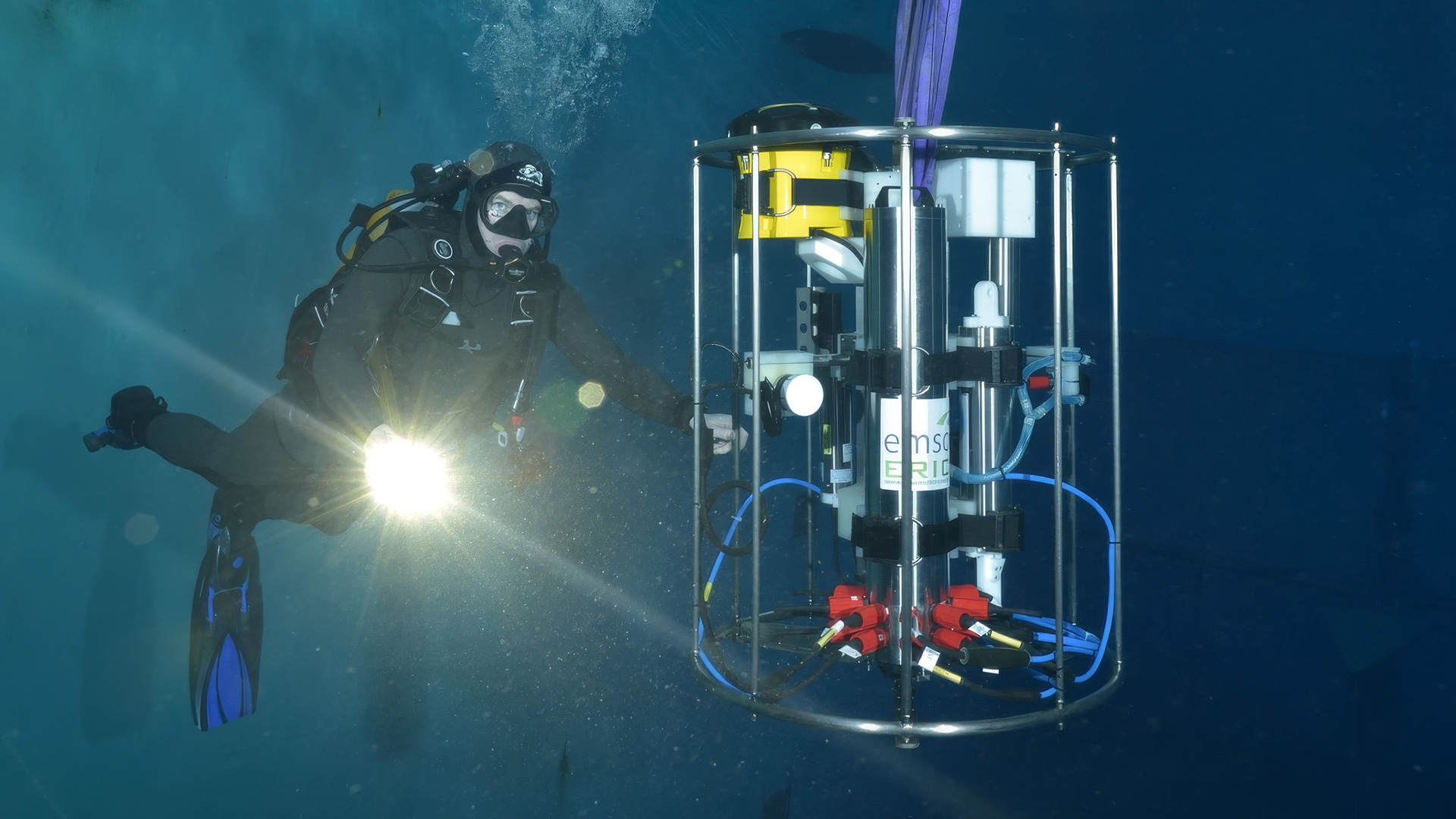
Technological improvement of sensors, electronic components control and acquisition systems are developed in EMSO to ensure the Regional Facilities being at the state-of-art.
From surface to the deep sea, high-tech platforms carry advanced sensors arrays that measure physical and bio-geo-chemical parameters continuously and in the long-term.
Discover our observatoriesUpdates and announcements from across the EMSO infrastructure.
23 October 2026
A new gamma-ray spectrometer was deployed at the OBSEA Underwater […]
19 October 2026
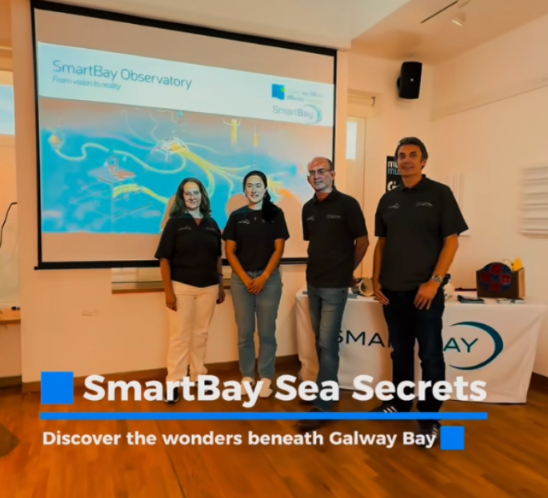
A summer collaboration between EMSO SmartBay Observatory and Galway City […]
19 October 2026
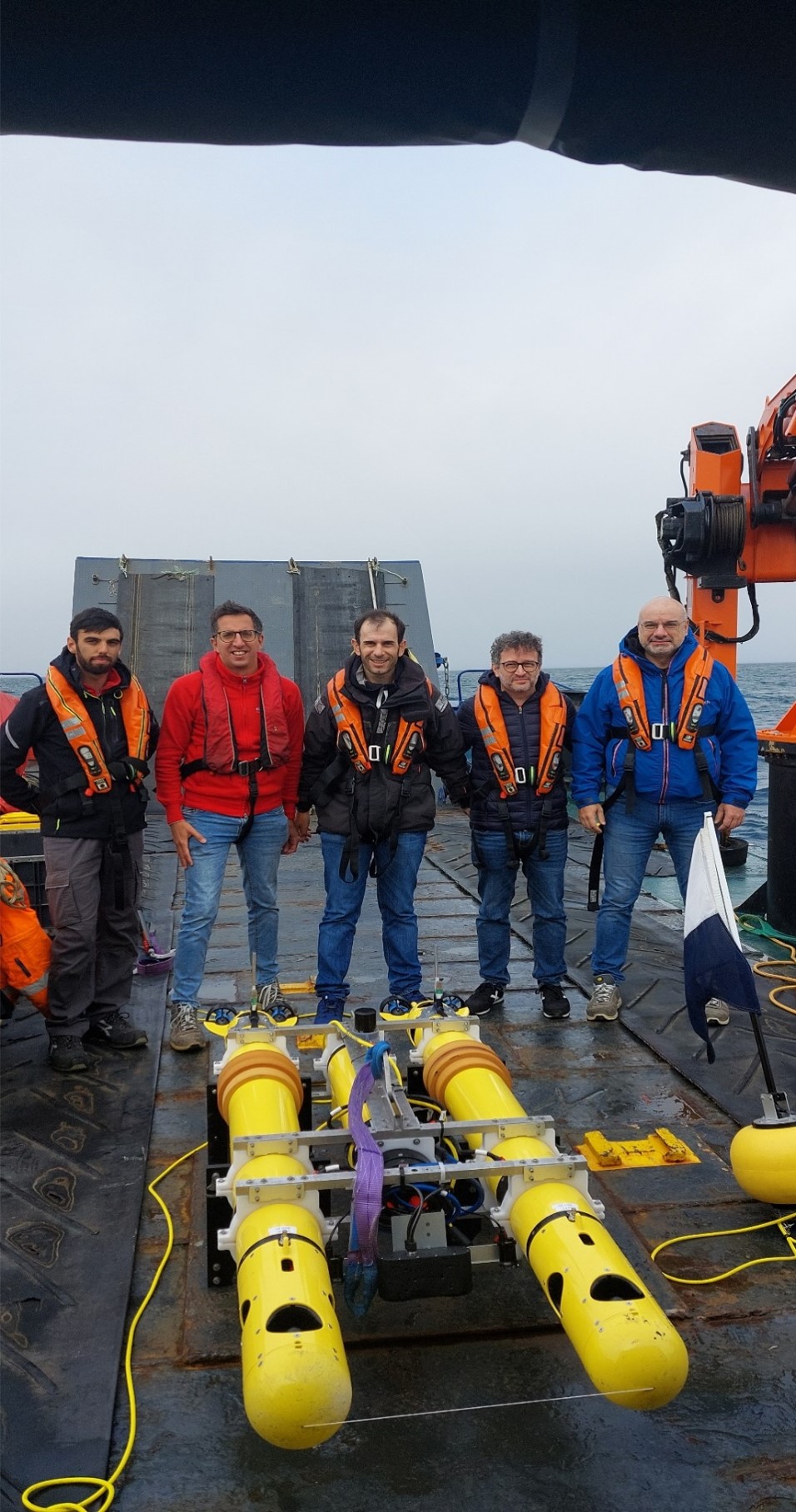
From autonomous underwater vehicles to advanced ROV photogrammetry, two complementary […]