

In the crisp chill of late November, the waters of Galway Bay off Ireland’s west coast became a picturesque canvas for cutting-edge marine science. On November 20, 2025, a dedicated dive team coordinated by the EMSO Smartbay/ Marine Institute team successfully deployed the Expandable Multi-imaging Underwater Acquisition System (EMUAS) camera at the EMSO SmartBay Observatory. This milestone marks a pivotal advancement in the EU-funded ANERIS project, which is revolutionizing how we monitor and protect marine biodiversity. As climate change and human activities threaten ocean ecosystems, real-time, high-fidelity imaging like that provided by EMUAS offers unprecedented insights into fish behaviours, plankton dynamics, and environmental shifts.
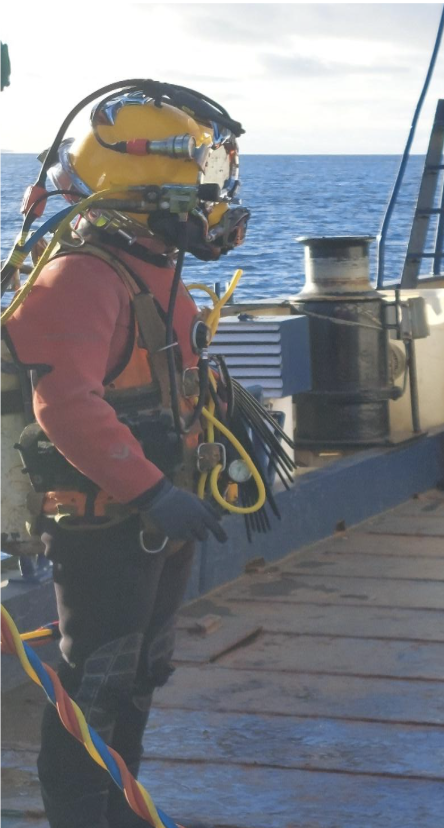
The deployment, conducted at a depth of approximately 25 meters, utilized surface air supply systems to enable extended, safe operations for the divers. This method, eschewing traditional scuba tanks, allowed the team to manoeuvre heavy equipment with precision while minimizing logistical burdens.
Now live and streaming, the EMUAS feed captures the vibrant undersea world of Galway Bay, from schooling poor cod to elusive crabs scuttling across the seafloor.
The EMUAS camera is no ordinary underwater rig; it’s an expandable, multi-imaging powerhouse tailored for cost-effective, high-resolution marine observation.
Key technical specifications include:
Hardware Core: Built around a Raspberry Pi-based platform for affordability and modularity. Initial prototypes used Raspberry Pi Camera Modules, evolving to support multiple high-definition lenses (up to 1080p resolution at 30 fps). The system houses 2-4 synchronized cameras in a pressure-resistant enclosure rated for depths up to 50 meters, with options for expansion via Ethernet cabling.
Imaging and Sensing: Delivers real-time 4K video streaming with low-light enhancement for nocturnal monitoring
Power and Connectivity: Cabled design leverages fiber-optic backbones for unlimited power and data transmission, eliminating battery limitations. Supports Gigabit Ethernet for seamless integration with observatories like SmartBay.
Software Ecosystem: Open-source firmware (forthcoming on GitHub) includes AI-driven processing via ANERIS’s ATIRES toolkit for automated species detection and image annotation. Features edge computing for on-site analysis, reducing data overload—critical for handling terabytes of footage annually.
Dimensions and Durability: Compact rig (approx. 50x30x30 cm, 15 kg dry weight) constructed from corrosion-resistant aluminium and acrylic. Operates in temperatures from -2°C to 20°C, with anti-fouling coatings to combat bio-growth.
These specs make EMUAS ideal for citizen science, research, and commercial fisheries monitoring, all while keeping costs under €5,000 per unit— a fraction of proprietary systems.
The system’s first major field deployment occurred on November 15, 2024, at Spain’s OBSEA (Observatori de Benthos) coastal observatory near Vilanova i la Geltrú. Two EMUAS units were installed at 20 meters depth, integrated into OBSEA’s cabled network. Outcomes were promising: Over 500 hours of footage revealed seasonal shifts in Mediterranean biodiversity, including enhanced detection of invasive species via AI algorithms.
For the Galway deployment, EMUAS incorporates several post-OBSEA enhancements: Improved Optics and AI: Upgraded lenses with adaptive IR illumination for better low-visibility performance, plus refined ATIRES models trained on OBSEA datasets for 95% accuracy in fish classification.
Robustness Upgrades: Reinforced cabling and auto-calibration software to handle Ireland’s stronger currents and storm surges.
Data Pipeline: Enhanced compression algorithms reduce bandwidth by 40%, enabling smoother integration with cloud platforms.
These additions, tested in simulated Galway conditions, position EMUAS as a more resilient tool for Atlantic waters.
Deployment Day: Precision in the Irish Atlantic
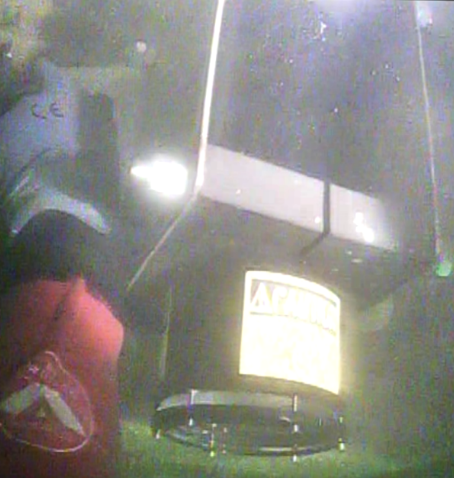
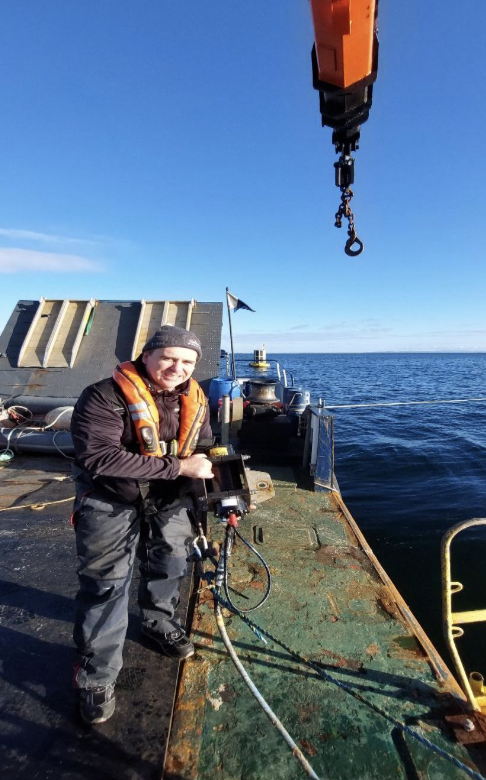
The November 20 operation unfolded aboard the ‘Yorkshire Lady’ with a five-person dive team led by Marine Institute experts. Using hookah systems—long hoses supplying compressed air from the surface—the divers navigated the bay’s variable visibility (5-10 meters). The rig was lowered via crane, secured to SmartBay’s seafloor node, and connected in under two hours. No incidents reported, thanks to meticulous pre-dive simulations.
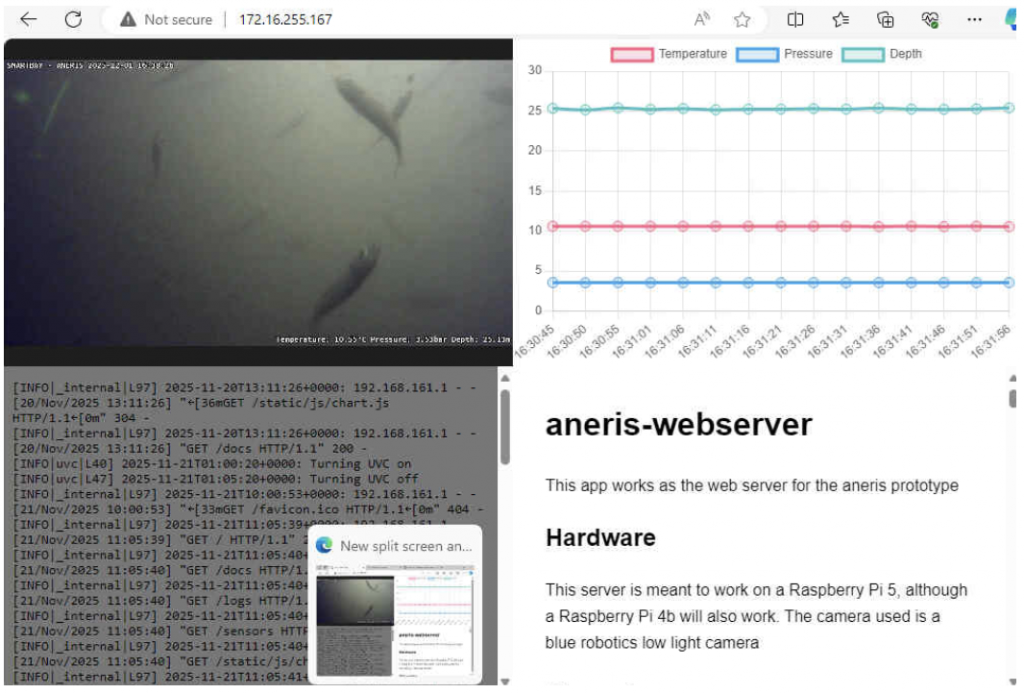
Post-deployment, initial feeds showed a bustling ecosystem: Grey seals foraging, dogfish patrolling, and algal blooms pulsing with life. Graphs from the observatory’s dashboard already hint at correlations between tidal flows and species activity.
Accessibility is key to ANERIS’s ethos, and the EMUAS feed is no exception. Hosted on Ireland’s HEAnet (Higher Education Authority Network) live streaming facility, the stream leverages the national research and education backbone for ultra-low-latency delivery. HEAnet, which connects over 1 million users across academia and industry, ensures reliable, high-quality broadcast via its media.heanet.ie platform.
For more, visit aneris.eu or follow @ANERIS_EU. Images courtesy of Marine Institute deployment team.
Figure 1: Dive team in action – A red-suited diver with yellow helmet prepares the EMUAS rig on the deck of the ‘Yorkshire lady’ dive vessel
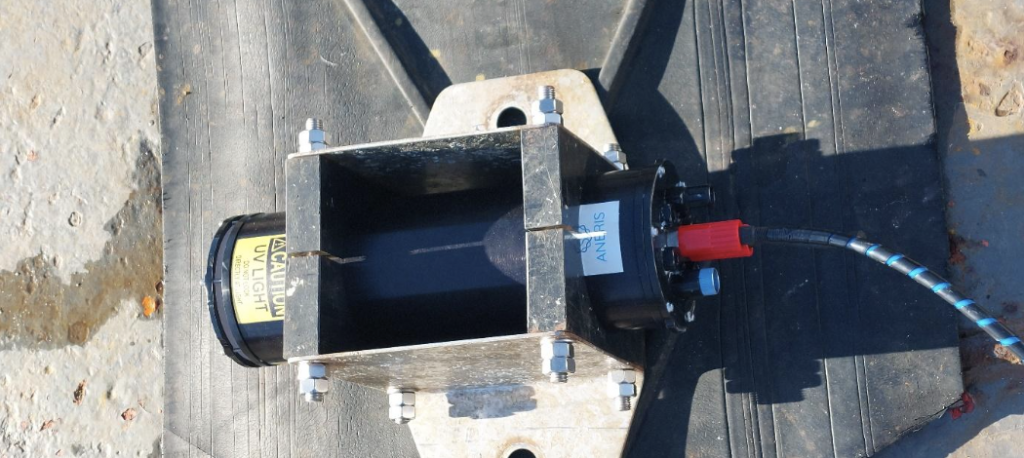
Figure 2: EMUAS rig on deck – Close-up of the black cylindrical housing with yellow warning labels, mounted on a yellow cradle with blue hydraulic hoses
Figure 3: Underwater installation –Video still of the EMUAS unit being positioned on the seafloor, with a diver’s gloved hand guiding it into place
Figure 4: Data visualization – Split-screen of deployment logs, with red/green line graphs tracking voltage, current, and signal strength over time
Figure 5: Crane lift –Paul Gaughan from EMSO Smartbay/Marine Institute oversees the EMUAS descent from the deployment vessel’s deck